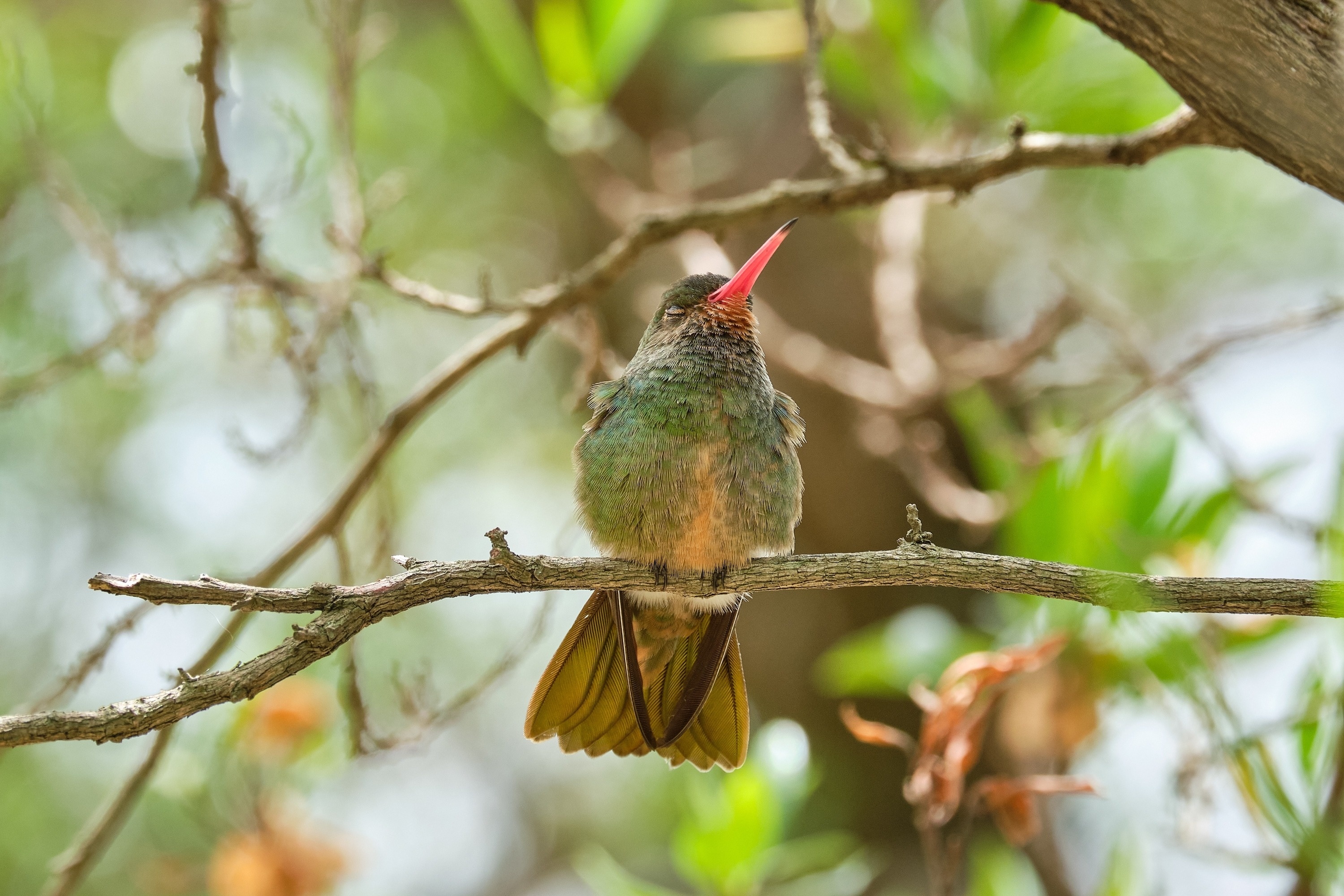
Birdwatching in Risaralda A Practical Guide to Experience It from Pereira
Why is Risaralda a world paradise for birds?
Colombia is the country with the greatest bird diversity in the world (1,968 species). Although Risaralda occupies only 0.36% of the national territory, it is home to nearly 45% of all birds and is the department with the most endemic species (26 species).
The department promotes educational and sustainable tourism initiatives (including the declaration of the Golden Eagle as an emblematic bird) and organizes festivals that connect science, communities, and visitors around birdwatching.
Birdwatching routes and experiences near Pereira
Staying at the Soratama Hotel (downtown Pereira) you can access several hotspots with active observation routes in less than 1–2 hours:
- Otún-Quimbaya Fauna and Flora Sanctuary (Pereira/La Florida): a humid Andean forest with constant records on platforms such as Wikiloc.
- Mistrató (Costa Rica – Mampay – Sutú): a Pacific hillside with a high species diversity; mixed routes (vehicle + hiking).
- La Virginia (Cauca River edge): excellent for riparian and tropical dry forest birds.
- Belén de Umbría / Apía: ideal trails for observing the Cock-of-the-Rock.
- Risaralda Bird Festival – Official Routes: includes municipalities such as Santa Rosa, Dosquebradas, Guática and more.
Tip: Check Wikiloc before your trip to see GPS tracks and elevation changes; it will help you choose routes that suit your level.
Must-see species (and where to look for them)
- Caucan guan (EN): common on the Otún-Quimbaya route.
- Turquoise Dacnis (VU): observed in the “Dacnis corridor” in Pereira.
- Bangsia aurinegra (VU): associated with Mistrató.
- Cock-of-the-rock: leks in Belén de Umbría, ideal at dusk.
- Lorito de Fuertes (CR): critical, observed in Santa Rosa de Cabal – via Laguna del Otún.
Events and news that promote birdwatching
- Coffee Landscape Bird Festival: academic agenda and tours in La Florida.
- Risaralda Bird Festival: guided tours and photography activities.
- International dissemination: philatelic issue with Risaralda species planned for 192 countries.
How to plan your trip (quick checklist)
- Define your objective: photography, species checklist, or family outing.
- Choose the route with map and elevation changes (check Wikiloc).
- Basic equipment: 8x–10x binoculars, camera, raincoat, snack and water.
- Observer Ethics: Do not overplay songs and respect the trails.
- Local guidance: enhances the experience and supports the destination's economy.
Experience birdwatching from the Soratama Hotel
- Strategic location: early departures to La Florida, Mistrató, Belén or Santa Rosa.
- Connections with local guides: We organize private or group tours based on your interests.
- After birding in the city: return to relax with gastronomy and urban services just steps from the hotel.
*Hover over the name of each bird to see the image| Bird | Habitat in Colombia | Fun Fact |
|---|
| Colombian Andes, moors and mountains | It can hunt prey up to twice its size. |
| Southwest Colombia, humid forests of Chocó and Cauca | It is almost impossible to see in the wild today. |
| Jungles of the Colombian Caribbean and Pacific | Very active, always looking for insects among the foliage. |
| Northwest Colombia, humid forests | Rarely seen; population critically threatened by deforestation. |
| Colombian Andes | Males perform courtship displays on rocky platforms visible from afar. |
| Northern Tolima and Huila, Colombian humid forests | Rarely seen; population critically threatened by deforestation. |
| Colombian humid forests | It camouflages itself perfectly among the branches thanks to its black and white bands. |
| Colombian humid forests | Its melodious song helps mark territory in the dense jungle. |
| Low and medium-level forests, Colombian humid forests | The bright plumage helps confuse predators among the berries. |
Some other characteristics of birds
- Mountain Golden Eagle : A large bird of prey native to the Colombian Andes; curiously, it can hunt prey up to twice its size.
- Caucan Guan : Endemic to southwestern Colombia, it used to be more common, but is now almost impossible to see in the wild.
- Turquoise Dacnis : Small and bright, it inhabits the jungles of the Caribbean and the Colombian Pacific; curiously, the males are more striking than the females when it comes to attracting a mate.
- Bangsia aurinegra : A northwestern Colombian tanager; its melodious song helps mark territory in the dense jungle.
- Cock-of-the-rock : Emblematic of the Andes; males perform courtship displays on rocky platforms visible from afar.
- Fuertes's Parrot : Parrot of Tolima and Huila; rarely seen, its population is critically threatened by deforestation.
- Banded Antpitta : An insect-eating species native to Colombian rainforests, it camouflages itself perfectly among branches thanks to its black and white bands.
- Stiles's Warbler : Found in low and medium-level forests; small but very active, always searching for insects among the foliage.
- Multicolored Tanager : A colorful, frugivorous bird from Colombian forests, its bright plumage helps confuse predators among the berries.